Symposia on pelvic floor rehabilitation in neurological patients at the Neurorehabilitation Hospital
Symposia on pelvic floor rehabilitation in neurological patients at the Neurorehabilitation Hospital
The pelvic floor is a key element in the comprehensive care of people with neurological damage. Bladder and bowel dysfunctions, as well as alterations in sexual function, are common and require a specialized, interdisciplinary approach based on scientific evidence.
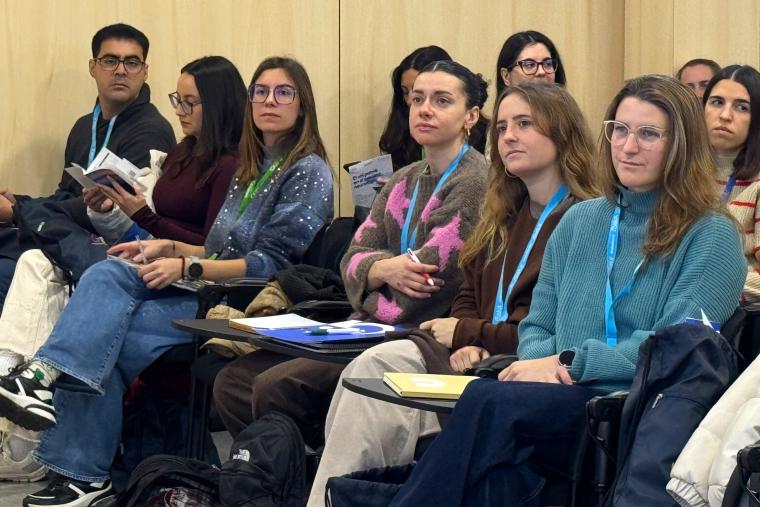
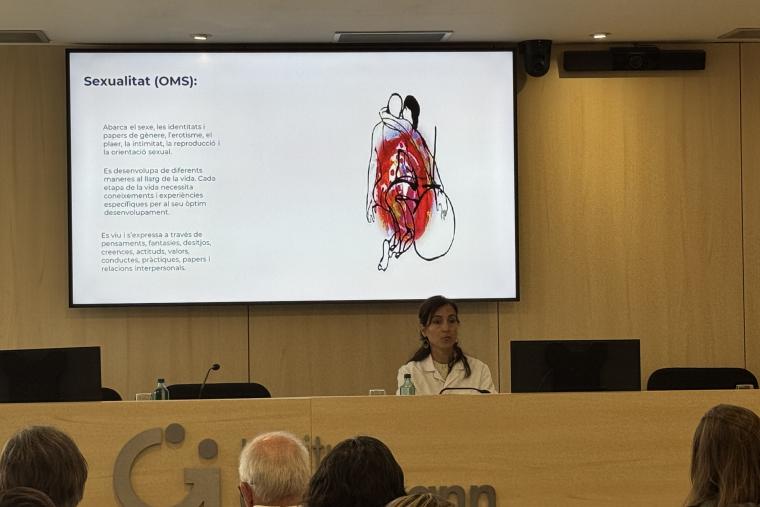
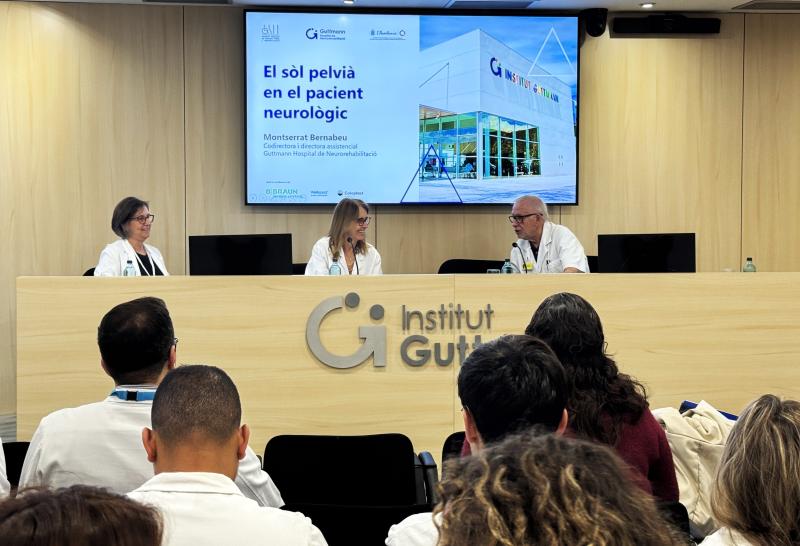
The conference "The Pelvic Floor in the Neurological Patient," which we organized in conjunction with the Pelvic Floor Working Group of the Catalan Society of Physical Medicine and Rehabilitation, served to update knowledge and share clinical experience.
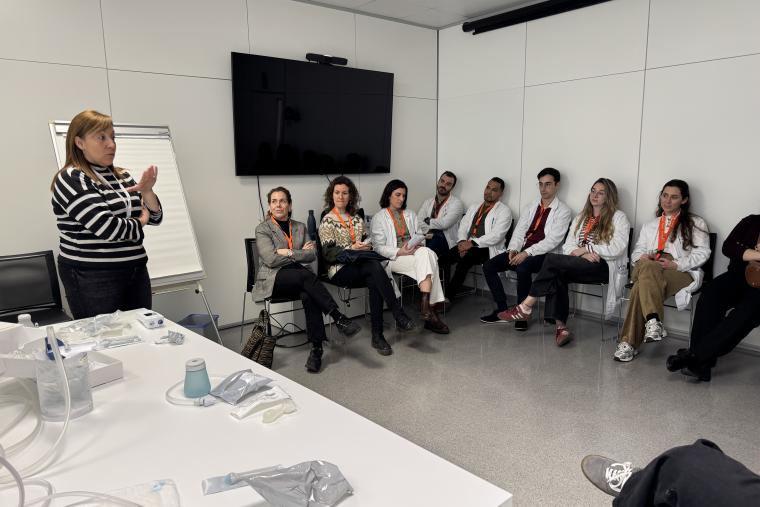
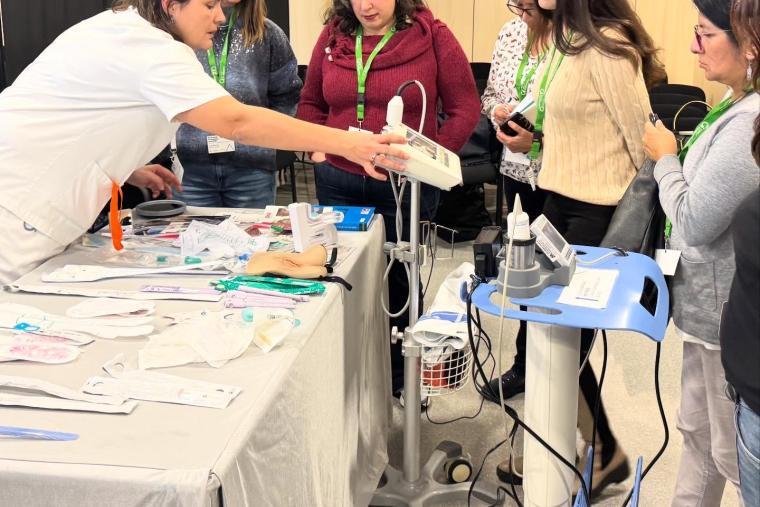
Under the scientific direction of Dr. Albert Borau, head of the Neuro-urology Unit, and Dr. Marga Vallès, attending physician, the conference combined theoretical content and practical workshops on neurogenic dysfunction of the lower urinary tract, neurogenic bowel, and sexual dysfunction, as well as diagnostic and therapeutic techniques such as urodynamic studies, anorectal manometry, and iridorectal ultrasound.
Professionals from Guttmann and Dr. Anna Calm from the Hospital Germans Trias i Pujol participated in the workshop, sharing their knowledge.
It was a learning and knowledge-sharing event to continue advancing towards increasingly personalized and person-centered care.
The workshop aligns with SDG 3 (Good Health and Well-being) and SDG 10 (Reduced Inequalities), promoting quality, evidence-based care. It also aligns with the Convention on the Rights of Persons with Disabilities, particularly Articles 25 (Health) and 26 (Rehabilitation and Empowerment), by promoting services that foster autonomy and participation.